Melasma Stories
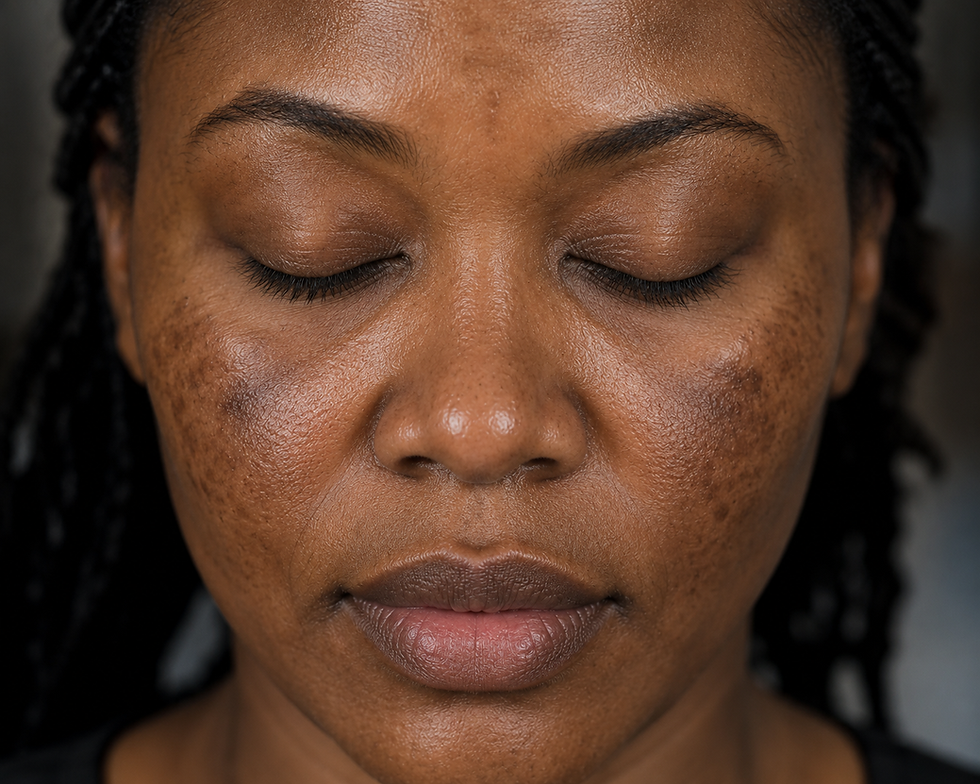

AI-generated images for illustration only
Patient Story: Melasma
K.M.A.B., 29 years old, female
Melasma and I began our rather tedious relationship about a year ago.
The first thing I noticed was what looked like a little “mustache.” 🤣 My first thought was, Maybe I should just shave it? But then I realized it wasn’t hair at all—it was hyperpigmentation.
For months, I tried to figure out what was triggering it. Eventually, I realized it was closely tied to my hormones… and, surprisingly, my stress levels.
It first appeared during my surgical rotation, one of the most stressful periods of medical school. It tends to become darker around my period, which confirmed the hormonal connection. But what really caught my attention was that it almost completely faded during a period when I was living somewhere that brought me a sense of peace.
It’s funny how our bodies communicate with us. For me, melasma has become more than just a skin condition—it has become a reminder to check in with myself. When life feels overwhelming or I’m carrying more stress than I realize, my skin often lets me know before I do.
Our skin is powerful. Sometimes it’s not just reflecting what’s happening on the outside, but also telling the story of what’s happening within.
Melasma – Clinical Overview
DEFINITION
Melasma is a skin condition that causes patches and spots, usually on the face, which are darker than your natural skin tone.
Melasma is most common in women.
Many women first see these blotchy patches and freckle-like spots on their face during pregnancy or when they start taking birth control pills. Melasma is so common during pregnancy that it’s sometimes called the “mask of pregnancy.”
For some women, the melasma goes away after their baby is born or they stop taking birth control pills.
Women who have medium to dark skin tones are most likely to develop melasma. When melasma appears, it can cause tan, brown, grayish brown, or bluish gray patches and freckle-like spots. These usually appear on certain areas of face like the cheeks, forehead, chin, and even above the upper lip. While less common, melasma can develop on the arms, neck, or elsewhere.
Melasma is not a type of cancer. It’s also not a sign of skin cancer. Melasma differs from skin cancer in that it typically feels flat and appears on both sides of your face.
SYMPTOMS
Melasma primarily develops on the face, usually on one or more of the following areas:
-
Cheeks
-
Chin
-
Forehead
-
Nose
-
Above the upper lip
Occasionally, people develop melasma on their jawline, neck, arms, or elsewhere.
Treatments such as creams can help fade the discoloration, but treatments cannot make melasma go away forever. This skin condition can come back. It's common for melasma to return when you spend time outdoors without protecting your skin from the sun.
In fact, many people who have melasma say the dark spots and patches become more noticeable during the summer and fade in winter.
While melasma primarily affects women, some men develop melasma.
While this skin condition can be noticeable, you won’t feel anything on your skin. Melasma won’t make your skin itch or cause pain.
While your skin doesn’t feel different, melasma can take a toll on your emotions. Having melasma makes some people feel self-conscious. Studies show melasma can lower self-esteem because it affects your appearance.
The list of possible melasma triggers includes:
-Sunlight: When sunlight hits our skin, it triggers the body to produce more melanin. This seems to explain why melasma develops on skin that gets the most sunlight like skin on the face, neck, and arms.
-Pregnancy: An increase in the hormones estrogen and progesterone, which occurs during pregnancy, is thought to trigger melasma.
Some medications: The following medications may trigger melasma in some people:
-
Anti-seizure medications
-
Birth control pills (also known as oral contraceptive pills)
-
Medications that make your skin more sensitive to sunlight (includes retinoids, some antibiotics, and some blood pressure medications)
-Stress: While this is controversial, some research findings suggest that stress can trigger melasma. Stress causes the body to make more of the hormone cortisol. An increase in cortisol may trigger melasma.
-Tanning beds: A tanning bed or sunlamp tends to produce stronger ultraviolet (UV) rays than sunlight. When you expose your skin to UV light, it triggers the body to produce more pigment. Sometimes, this pigment appears unevenly, causing the blotchy patches and freckle-like spots of melasma.
-Thyroid disease: Your thyroid is a gland located in your neck. It makes hormones that help your body with important jobs, including breaking down food you’ve eaten and regulating how fast your heart beats. If your thyroid gland develops a problem, this may increase your risk of developing melasma. Sometimes, treating the thyroid problem clears up the melasma.
TYPICAL PRESENTATION
Wherever melasma appears, it causes blotchy patches and spots that can look like freckles. The color varies with a person’s skin tone and the severity of the melasma. In general, melasma is slightly darker than your natural skin color. Most people see various shades of brown. Melasma can look bluish gray in people with darker skin tones.
Melasma develops on both sides of the face. If you have melasma on your cheeks, you’ll see patches or spots on both cheeks.
The unevenly shaped patches of melasma can join together, creating one or more large areas of melasma.
Text from the American Academy of Dermatology (AAD).
Source: https://www.aad.org/public/diseases/a-z/melasma-overview
More Melasma Patient Stories
Future Melasma stories will appear here.
Future Melasma stories will appear here.
Future Melasma stories will appear here.
Share Your Melasma Story
Personal narratives provide a vital perspective that clinical data alone cannot capture. By sharing your experience with melasma, you contribute to a compassionate medical community of students, professionals, and patients seeking a holistic understanding of dermatological health.